Handle 10+ AI coding agents without losing control.
Plan → Implement → Review → Pull Request
The control center for managing many AI coding agents in one simple UI.
Bring order to parallel AI development without leaving your local workflow.
⭐ If Ban Kan helps you ship faster, please consider starring the repo.
npx @stilero/bankannpm install -g @stilero/bankan
bankangit clone https://github.com/stilero/bankan.git
cd bankan
npm run install:all
npm run setup
npm run devBan Kan starts a local server, opens your browser automatically, and serves the dashboard from the same process.
Contributor workflow, TDD expectations, pull request testing guidance, and verification commands live in CONTRIBUTING.md.
- Node.js >= 18
- git
- At least one AI CLI tool:
- Claude Code (
npm install -g @anthropic-ai/claude-code) - Codex CLI (
npm install -g @openai/codex)
- Claude Code (
- GitHub CLI (
gh) — required only for automatic pull request creation
Native build tools may be needed only if node-pty has to compile during install.
macOS: xcode-select --install
Linux: sudo apt-get install build-essential
Windows: Install Visual Studio Build Tools with the "Desktop development with C++" workload, or run npm install -g windows-build-tools from an elevated PowerShell
Ban Kan is in early development.
The core workflow works, but bugs and rough edges are expected. Feedback is extremely valuable at this stage.
- Launch Ban Kan
bankan-
Complete the setup wizard
-
Configure agent CLIs in
Settings -> ImplementationandSettings -> Reviewas needed -
Add one or more repositories in
Settings -> General -> Repositories -
Create a task in the dashboard
-
Approve the generated plan
-
Watch agents implement and review the change
-
Optionally create a pull request
Ban Kan is a local control center for AI coding agents that work across real repositories.
Instead of one long AI chat trying to do everything, tasks move through a structured pipeline inspired by a Kanban board:
Backlog → Planning → Implementation → Review → Done
Each stage can use different agents, prompts, and concurrency settings. Developers keep full visibility and control over what is happening at every step.
Ban Kan combines:
- structured workflows
- parallel agent execution
- human approvals
- local repository access
- optional pull request automation
All in one dashboard.
When developers levels up running multiple AI coding agents they often end up juggling multiple terminals:
- Agent 1 planning a feature
- Agent 2 implementing code
- Agent 3 reviewing changes
- Agent 4 generating tests
Keeping track of everything quickly becomes overwhelming.
In practice most developers struggle to manage more than 3–4 agents at once.
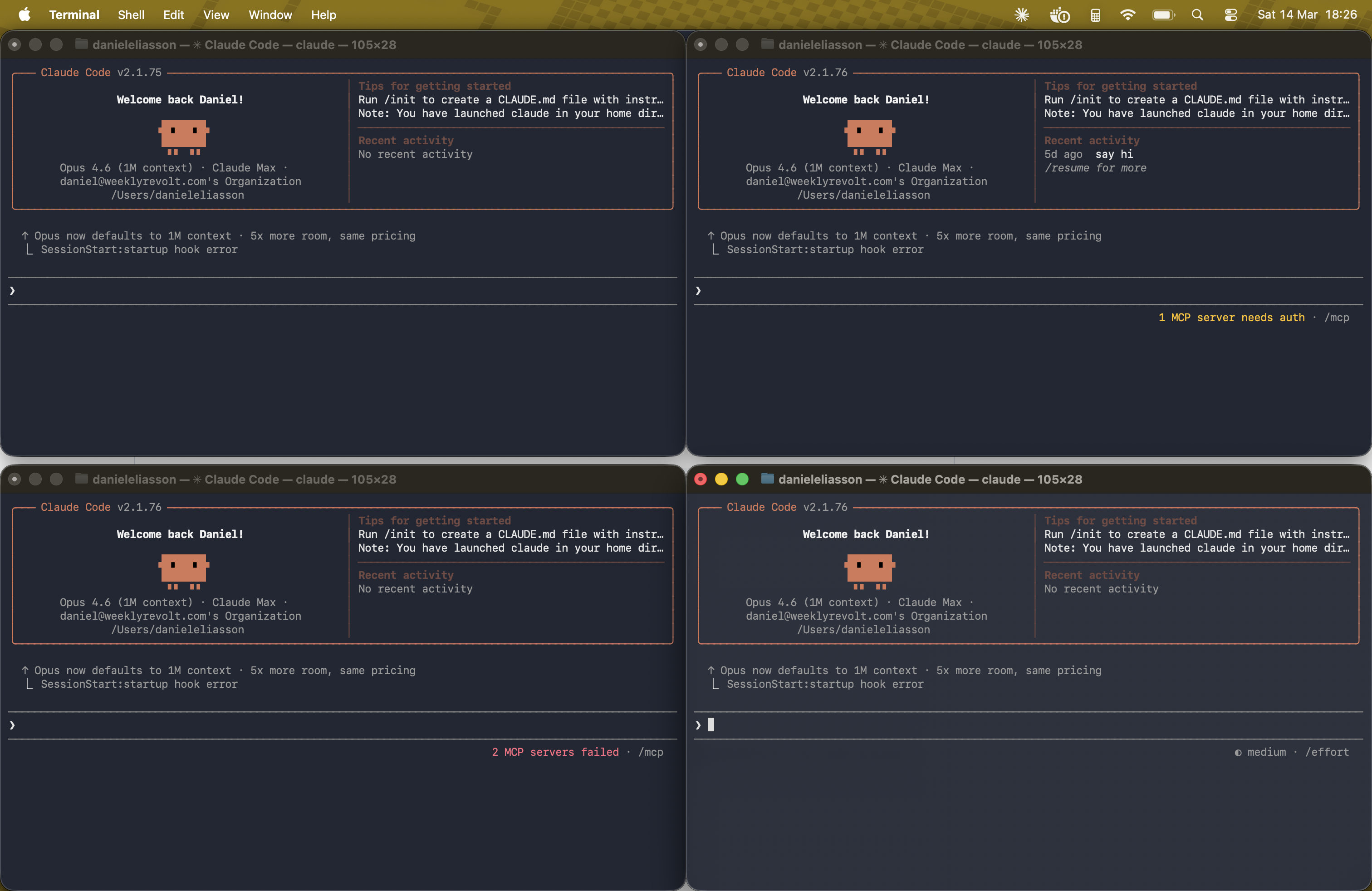
Before Ban Kan Managing multiple agents means juggling separate terminal windows and fragmented context. |
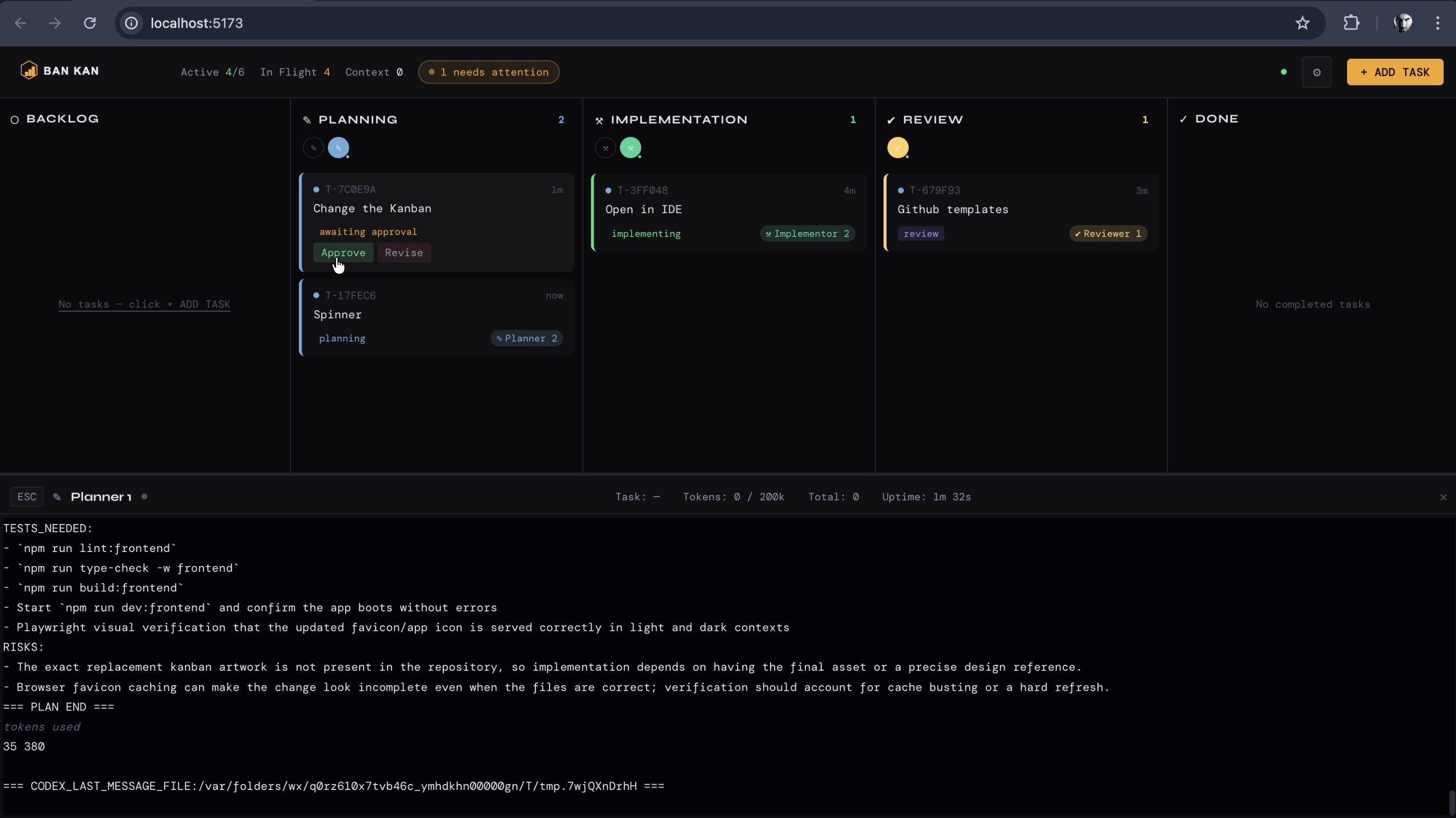
With Ban Kan Tasks, agent stages, approvals, and live output stay visible in one shared dashboard. |
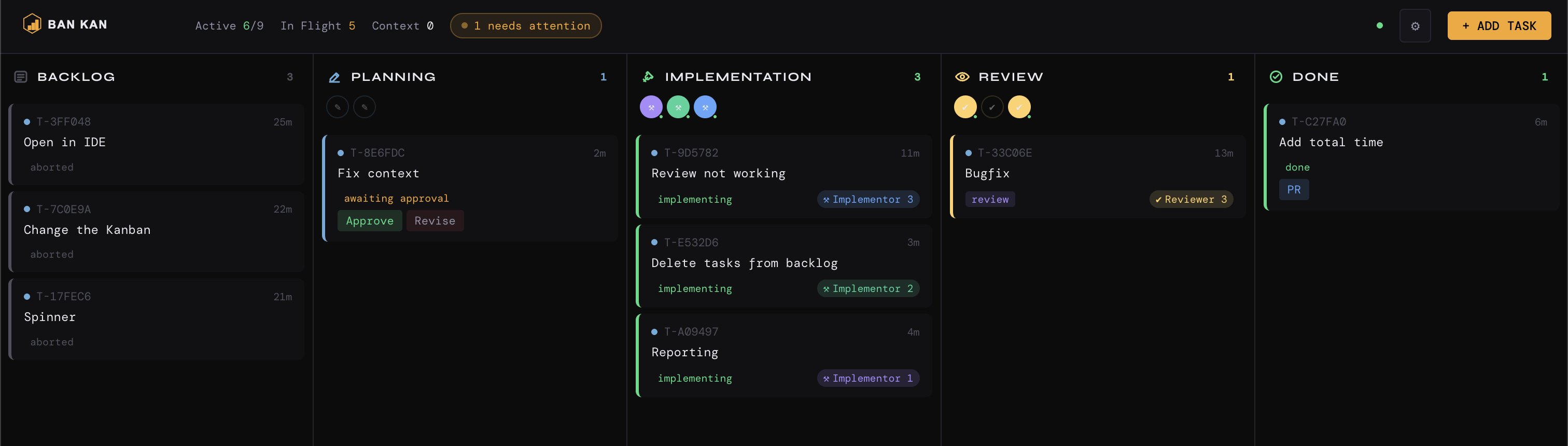
Ban Kan provides a control center that lets you coordinate 10+ agents simultaneously with full visibility of tasks, stages and activity.
a Kanban board with specialized AI agents.
Each stage has a clear responsibility, and tasks move forward only when the previous step succeeds.
Ban Kan fits naturally into Agile workflows where work is organized as stories.
Each story moves through a structured lifecycle that mirrors how real development teams operate:
flowchart LR
    A[Story / Task Created] --> B[Planning Agent]
    B --> C[Implementation Agent]
    C --> D[Review Agent]
    D --> E[Done / Pull Request]
This structure makes Ban Kan especially useful when working with:
- Agile user stories
- sprint backlogs
- feature tasks
- incremental development
Instead of one AI trying to solve everything in a single prompt, each stage has a clear responsibility — just like in a real Agile team.
Developers plan the story, agents implement the work, reviewers validate the result, and the change moves forward when it meets quality gates.
Example story: Add Stripe payments
Below is the same task moving through Ban Kan's workflow from creation to completion.
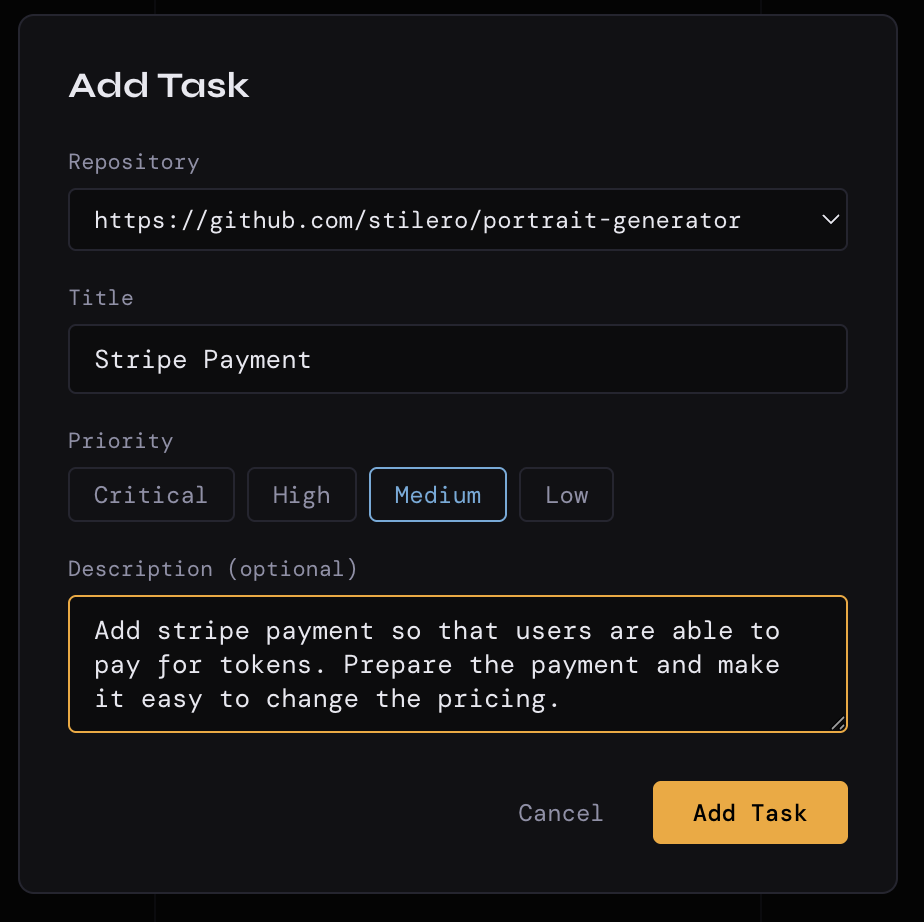
The developer creates a task in the dashboard and defines the story to be planned and executed.
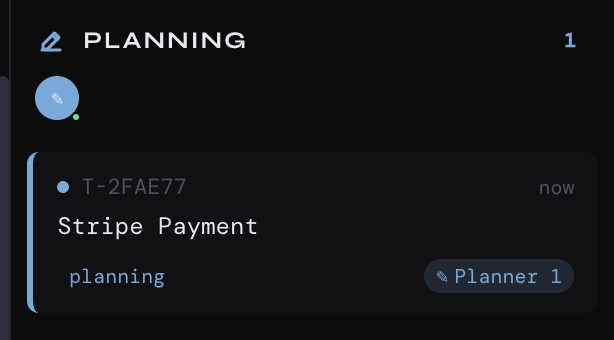
The planner agent picks up the task, analyzes the repository, and prepares an implementation plan.
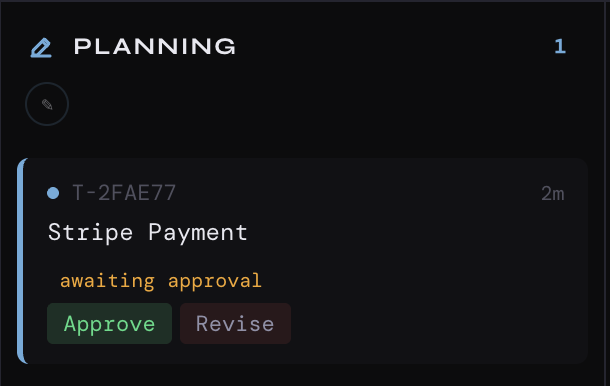
The generated plan is shown in the dashboard so the developer can approve it before any code is written.
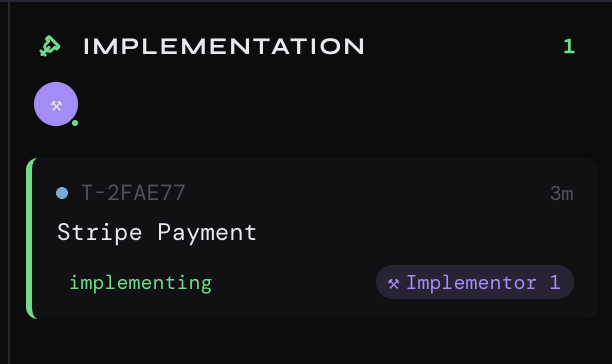
After approval, the implementor agent creates its workspace, writes the code, and reports progress live in the UI.
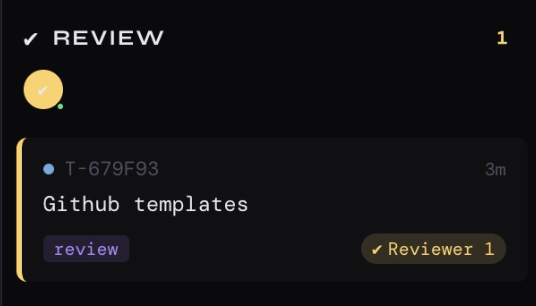
The reviewer agent validates the implementation, checks for issues, and decides whether the task is ready to move forward.
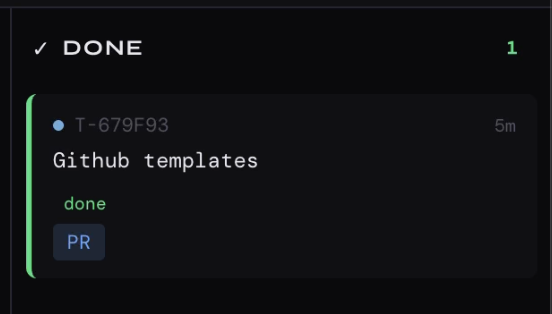
Once review passes, the task moves to Done and can be used as the basis for a pull request.
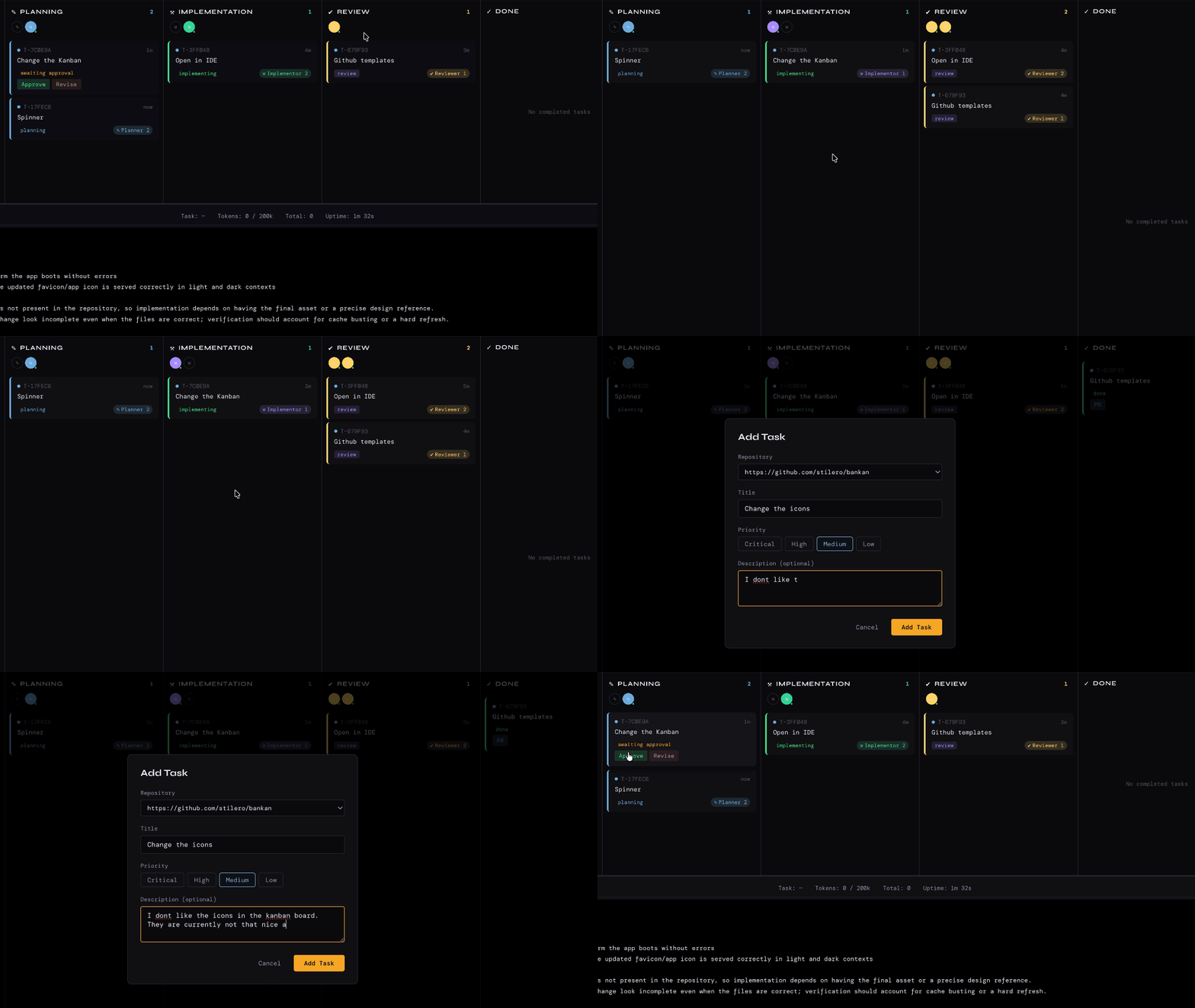
Multiple tasks can move through these stages simultaneously with different agents assigned to each step.
flowchart TD
    A[Developer creates task] --> B[Planner agent analyzes repository]
    B --> C[Plan generated]
    C --> D{Approve plan?}
    D -->|Yes| E[Implementor writes code]
    D -->|No| F[Revise plan]
    E --> G[Reviewer validates changes]
    G --> H{Review passed?}
    H -->|Yes| I[Done / PR created]
    H -->|No| E
Multiple tasks can run in parallel across different agents.
Run multiple planning, implementation, and review agents simultaneously.
Repositories stay on your machine. Agents operate directly on local clones and workspaces.
Developers approve plans before implementation begins.
Open the terminal of any running agent and take control when needed.
Open a task workspace directly from the dashboard.
Configure GitHub settings to automatically create pull requests.
Track:
- active tasks
- blocked tasks
- agent activity
- context usage
Ban Kan keeps the CLI intentionally simple.
bankan --port 3005
bankan --no-open
bankan --help
Options:
--portbind to a specific port--no-openstart without opening a browser
Most workflows happen inside the dashboard after launch.
Ban Kan includes:
- Node / Express backend orchestration
- WebSocket communication for live updates
- React dashboard built with Vite
- CLI launcher that starts the local app
- Configurable planner, implementor, and reviewer agent pools
npm run setup
npm run dev
Useful scripts:
npm run build– build client bundlenpm run dev– run server + Vite clientnpm run lint– run ESLint across the reponpm run lint:fix– apply safe ESLint autofixesnpm run setup– interactive setup wizard for local runtime confignpm run install:all– install all dependencies
Contributions are welcome.
- Fork the repository
- Open an issue before starting work
- Create a focused branch
- Make your changes
- Submit a pull request
Screenshots are appreciated for UI updates.
MIT